Happy Halloween! This week, two omens of the AI bubble/revolution emerged. Nividia, the chip maker, became the first publicly traded company to be valued at $5 trillion. And OpenAI shocked exactly no one on Tuesday when it announced that it was restructuring as a for-profit “public benefit” company, a change from its previously hybrid nonprofit/for-profit setup. Stay tuned for what this means for the AI ecosystem more broadly.
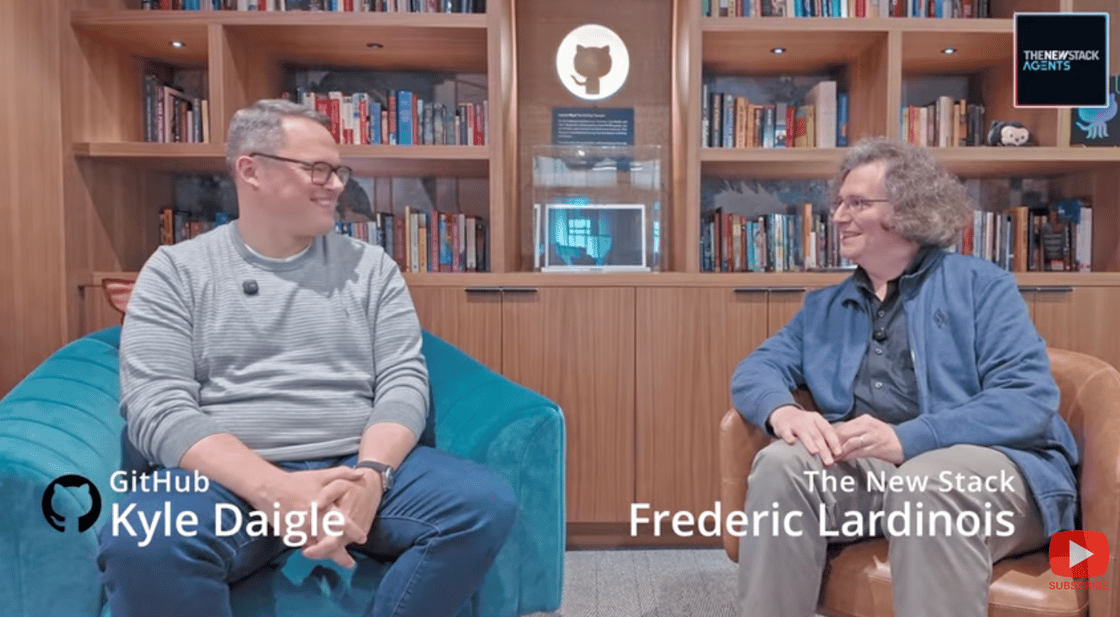
Meanwhile, we at The New Stack remain busy on the road, with field reports from senior editors Frederic Lardinois, at GitHub Universe in San Francisco and Joab Jackson at Confluent’s Current conference in New Orleans.
We’re also continuing to scan the horizon for cool startups that are working on the problems devs face in the here and now. TNS News Editor Darryl K. Taft wrote last week’s most popular post among our readers, on the AI platform startup Woz.
Woz’s co-founders, who met as students at MIT, set out to solve a problem they see as plaguing the app-building space: too many current solutions, Darryl wrote, “were never meant to build real products. They were built to create demos.” In other words, they can’t scale.
The startup attacks the problem by adapting the principles of enterprise-scale manufacturing to its app-building software.
“We’re not letting the system reinvent the wheel every single time,” Woz CTO Brad Eckert told Darryl. “We’ve built these Lego blocks — payments, authentication, security — and they’re rock solid because my team has been building apps that scale to millions of users for over a decade.”
The Woz story echoes that of other startups that try to stand out. As company CEO Ben Collins noted in Darryl’s post, “There’s a saying at MIT: Solve hard problems. Don’t pretend they’re easier than they are.”
— Heather Joslyn, editor-in-chief, TNS
.png?width=800&upscale=true&name=The%20New%20Stack%20logo%20-%20RGB%20(screen).png)