At Nvidia's GTC, Jensen Huang Will Have to Sell AI to an Increasingly Skeptical Public
Newsletter Content
Big Technology exists thanks to support from our readers. Sign up today for just $8/month to help us do this work and gain access to perks like members-only articles and our private Discord server: At Nvidia's GTC, Jensen Huang Will Have to Sell AI to an Increasingly Skeptical PublicBad AI polling numbers could lead to data center delays. Jensen to the rescue?
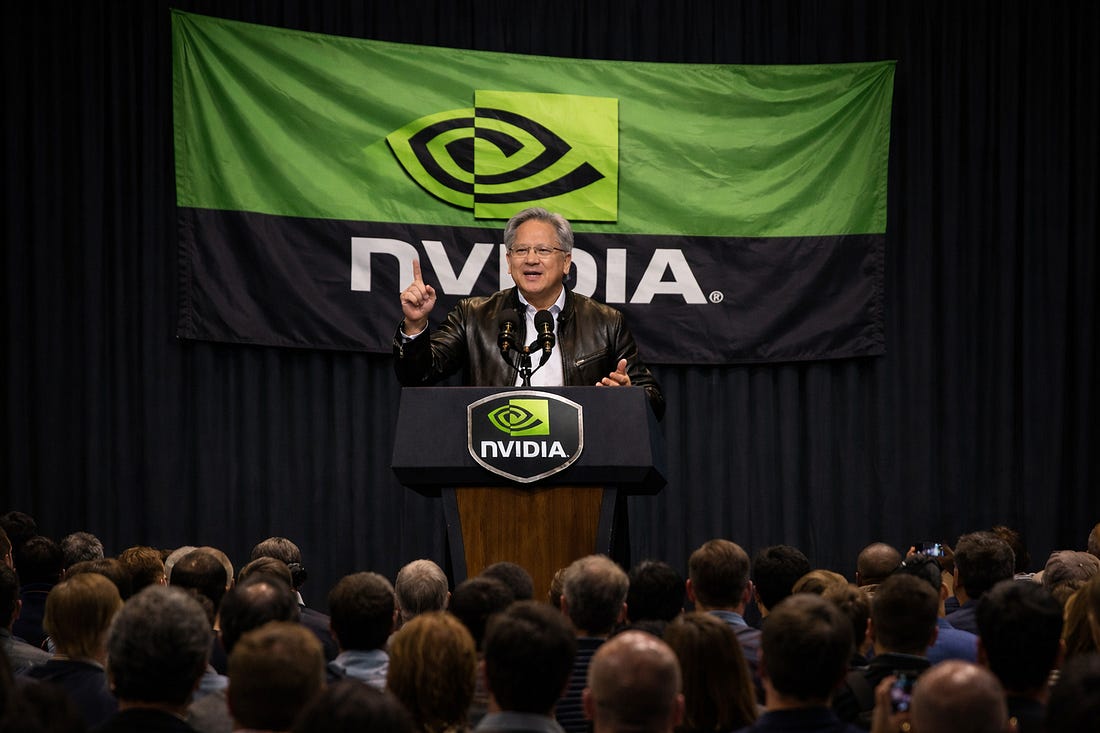
As Nvidia CEO Jensen Huang takes the stage at his company’s flagship GTC event on Monday, the stakes will be especially high. Nvidia’s annual conference is always a major moment for the company’s products and roadmap, but this year GTC will look more like a legitimacy test for the next phase of AI buildout. Nvidia’s continued expansion depends on high levels of support for AI among the public. And any form of AI backlash will make it more difficult for Nvidia to build data centers, or “AI factories,” as Huang calls them. Unfortunately for Huang, that backlash is here. A majority of Americans think AI’s risks are greater than its benefits, according to a new NBC poll. Americans are also three times more likely to believe AI will hurt us than help us, according to a survey by YouGov. And Americans believe data centers are bad for the environment, home energy costs, and local quality of life, according to another survey released last week by Pew. So at GTC, expect a more political talk than usual, where Huang will tout AI’s benefits. And he’s been making the argument already. In a rare Huang-written blog post published last week, the Nvidia CEO framed AI as a job creator and a society improver. “The labor required to support this buildout is enormous. AI factories need electricians, plumbers, pipefitters, steelworkers, network technicians, installers and operators,” Huang wrote. Turning to AI benefits in medicine, he added: “When AI takes on more of the routine work, radiologists can focus on judgment, communication and care. Hospitals become more productive. They serve more patients.” If AI becomes more unpopular, the backlash could hit Nvidia’s bottom line. About a dozen states have had bills introduced to further regulate data centers, according to Good Jobs First, a nonprofit watchdog. The legislation includes proposals to ban or pause data centers or impose expanded requirements related to job creation, energy use, and other factors. About a third of the 4,000 centers in the U.S. are in just three states: Virginia, Texas and California, according to Pew Research Center. Today, due to a mixture of community backlash and power and equipment constraints, half of the data centers scheduled to come online this year could face delays. In his blog post, Huang wrote “Capacity creates growth,” but to live out that promise, he’ll have to first convince the country that the capacity is worth the costs. Launch fast. Design beautifully. Build your startup on Framer — free for your first year. (sponsor)
First impressions matter. With Framer, early-stage founders can launch a beautiful, production-ready site in hours. No dev team, no hassle. Join hundreds of YC-backed startups who launched here and never looked back. Pre-seed and seed-stage startups new to Framer can enjoy:
Join YC-backed founders: Hundreds of top startups are already building on Framer. Apply to claim your free year → The Intelligence Report
Our notes from SXSWAI chatter has been everywhere at SXSW 2026, but there’s also been plenty of skepticism. With a few days to go, here are a few things from the first half off this year’s festival:
Thank you for reading Big Technology! Paid subscribers get our weekly column and plenty more. Please consider signing up here.
|







Details
Source:
Other
Date:
Mar 17, 2026 01:21
Category:
Technical