"Apologies, this was a docs clean-up we rolled out that’s caused some confusion. Nothing is changing about how you can use the Agent SDK and MAX subscriptions!"
The developer as conductor: Leading an orchestra of AI agents with the feature flag baton
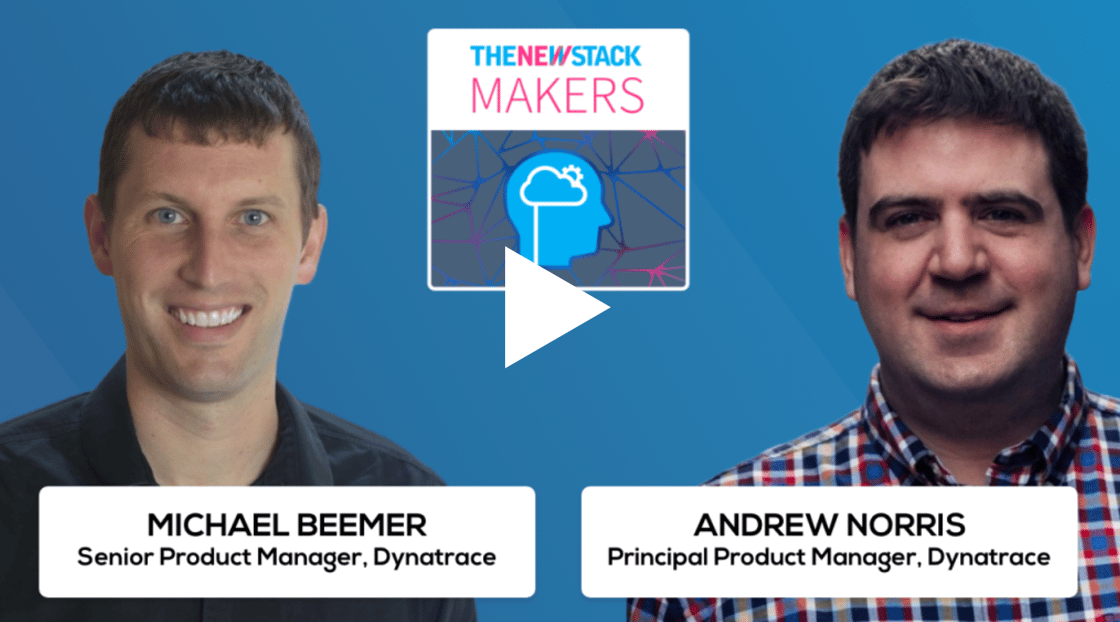
Last month, just a few weeks after Dynatrace finalized its acquisition of DevCycle, Michael Beemer of Dynatrace and Andrew Norris, co-founder and former CEO of DevCycle, joined The New Stack Makers podcast to discuss how feature flagging is becoming the essential “safety net” for the AI era. Tune in if you’re into orchestra metaphors!
Skip the research phase. AWS experts curated implementation guides and partner tools for observability, data pipelines, AI applications, and security. Every tool includes a free trial and integrates with AWS billing when you scale.
It’s been a week dominated by Anthropic, both for its rapid-fire software announcements and a licensing dust-up. If you felt a pulse of anxiety regarding your Claude accounts and third-party tools like OpenClaw, you weren't alone — it was our most-read story by a significant margin.
The Anthropic "Open" drama — Anthropic moved quickly this week to clarify terms surrounding its Agent SDK and Claude Code after intense community backlash. The primary fear? Using so-called “unauthorized” clients may result in account bans. The official verdict is a relief, though, as Anthropic announced that developers are still free to use their API keys to power community-driven tools like OpenClaw and NanoClaw. It’s a win for an ecosystem that means so much to the developer community.
The new "Container Wars" — While we’re on the subject of agents, everyone is asking: Why is Big Tech giving away AI agent frameworks for free? The consensus among readers is that we’re reliving the Container Wars. Just as Docker and Kubernetes fought for the orchestration layer, players like LangChain and Microsoft are racing to become the "OS" for AI agents. The takeaway for your stack? Bet on protocols, not just frameworks, if you want to avoid expensive vendor lock-in as the market matures.
3 engineering highlights to know about
Kubernetes 1.35 is here: This release is a massive deal for anyone running stateful workloads. With In-Place Pod Resizing, you can now scale resources via Vertical Pod Autoscaling (VPA) without evicting or restarting pods—solving a long-standing headache for database stability.
Knowledge base players: We’ve identified six emerging patterns for building agentic knowledge bases. From RAG evolution to graph-based memory, these are the blueprints organizations are using to make AI actually useful in production.
Claude 3.6 Sonnet: Anthropic’s latest model is punching above its weight, offering Opus-level coding performance and improved "computer use" capabilities at Sonnet’s mid-tier price point.
Organizations are actively building agentic knowledge bases for AI agents. Here are six real-world approaches taking shape across the software industry.
Learn how AI agents like XBOW and Auspex are revolutionizing AppSec. GitLab’s CISO explains how to adapt security teams to machine-scale vulnerability discovery.
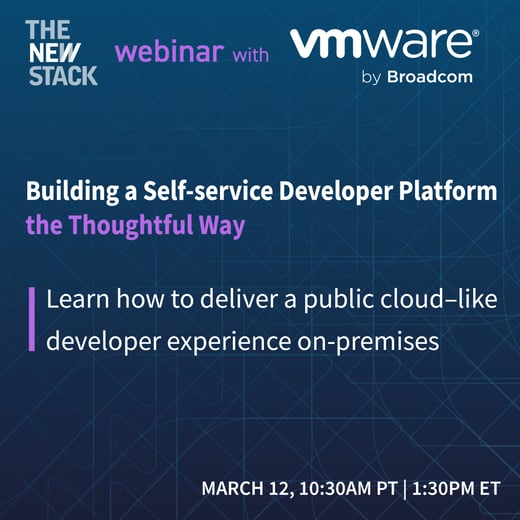
Building a self-service developer platform the thoughtful way March 12
As more organizations move workloads on-premises, demand for a “public cloud-like” experience is driving the adoption of Kubernetes-based internal platforms. In this session hosted by Charles Humble, Broadcom’s Jad El-Zein will show how to automate full-stack Kubernetes deployments with a single git commit.
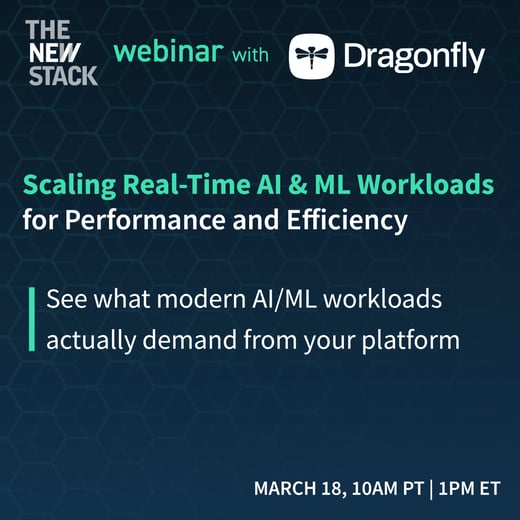
Scaling real-time AI & ML workloads for performance and efficiency March 18
In this webinar, DragonflyDB co-founder and CEO Oded Poncz will explain why real-time context is now the core data primitive for intelligent systems. We’ll cover where traditional infrastructure falls short, what modern AI/ML workloads demand, and how purpose-built systems enable predictable, efficient scale.
AI-powered Kubernetes observability best practices in 2026 March 19
Join TNS host Chris Pirillo and Dynatrace experts Paul Brugan and Jacob Hanley for a live session on practical, AI-powered strategies to help you run Kubernetes with greater confidence and efficiency in 2026.
Join us live on March 24 to learn what it takes to run agentic AI in production. Save your spot today to explore how end-to-end observability, deterministic real-time context, and a centralized control plane enable reliable autonomy.